

Five Places That Quietly Support Everyday Life in Japan
When people hear the words Japanese fast food,
they often think of ramen, beef bowls, or fried dishes.
But if you actually live in Japan,
you quickly notice something different.
What many Japanese people choose on an ordinary day isn’t food that is heavy or indulgent,
but meals that are gentle on the body, quick to eat, and easy to return to daily life afterward.
In this article, I introduce five places that represent Japan’s idea of healthy fast food,
and explore the values behind why these meals feel so natural to everyday life here.
What Japanese Healthy Fast Food Has in Common
Across Japan, these kinds of fast food share clear characteristics:
- Easy to enter alone
- Served quickly
- Not overly seasoned
- Focused on vegetables and broth
- Leaves you feeling light, not tired
This isn’t simply about being health-conscious.
It’s closer to the idea of eating in a way that doesn’t disrupt your day.
From my own experience,
when I eat something too heavy during work or on my own,
my concentration drops afterward.
Japanese healthy fast food often feels designed with “what comes next” in mind.
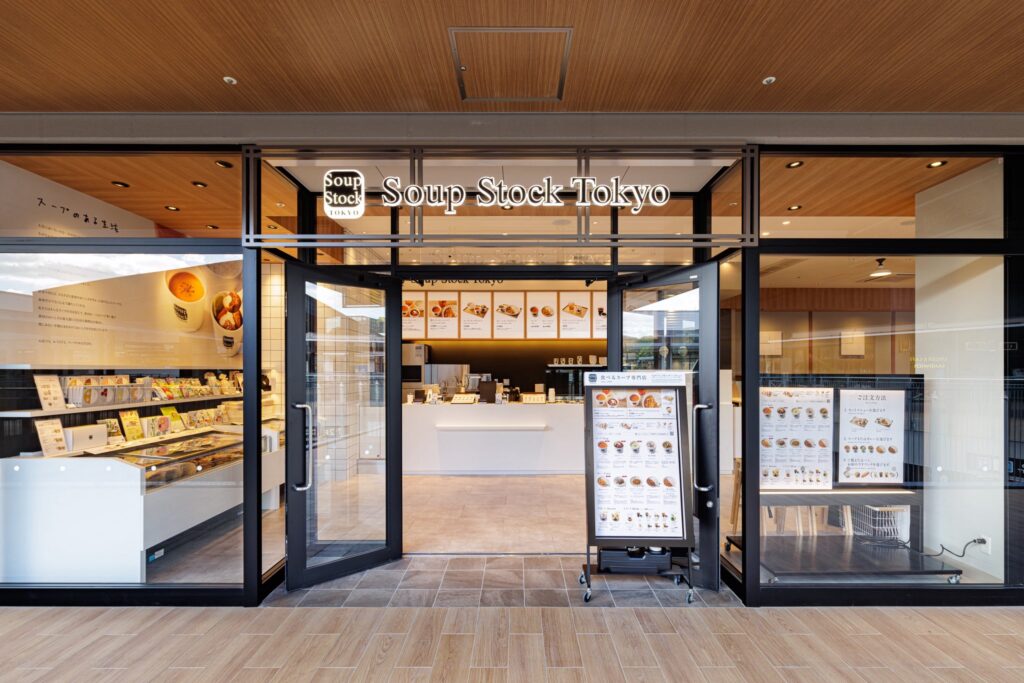
1. Soup Stock Tokyo: Treating Soup as a Meal
Soup Stock Tokyo is essential when talking about Japanese healthy fast food.

Here, soup isn’t a side dish — it is the meal.
- Vegetable-based soups
- Seafood and legume-focused recipes
- The option to choose rice or bread
For visitors, it might seem surprising to eat “just soup.”
But once you try it, the satisfaction is real.
The flavors are deeper than homemade soup,
and you genuinely feel nourished.
It quietly communicates a Japanese idea:
eating lightly doesn’t mean eating carelessly.
https://www.soup-stock-tokyo.com/howto/en/
2. Dashi Chazuke En: The Comfort of Broth
At Dashi Chazuke En, the main character isn’t the topping — it’s the broth.
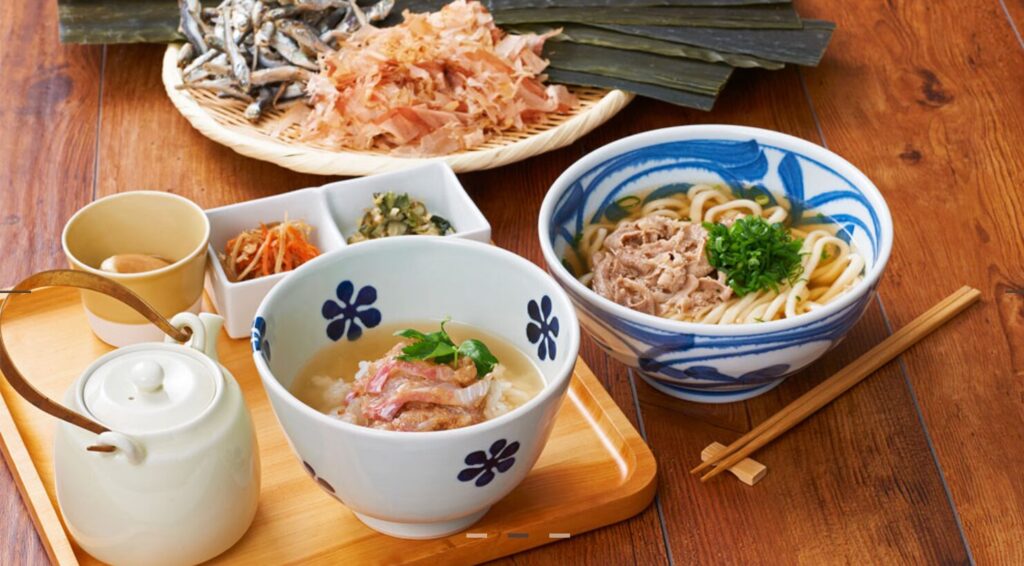
Sea bream, sesame, soy sauce.
Nothing flashy, but layered and comforting.
It’s the kind of meal I naturally choose
when my stomach feels tired or I want to take care of myself.
The portions are modest and the service is fast,
yet the meal feels complete — a reflection of Japan’s long relationship with dashi as a way to restore balance.
https://byo.co.jp/dashichazuke-en/menu.html
3. Ootoya: Everyday Home Cooking, Outside the Home
Ootoya offers Japanese home-style meals in a casual setting.
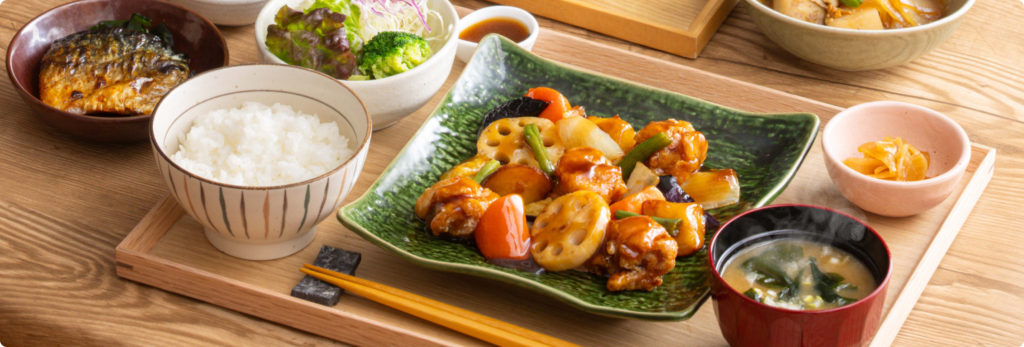
- Grilled fish
- Vegetable-centered side dishes
- Miso soup and white rice
There’s nothing extraordinary about the menu — and that’s the point.
After a series of busy days,
there’s a quiet desire to eat something “proper.”
Ootoya answers that need without fuss.
https://www.ootoya.com/english
4. MUJI Dining: Eating as a Way to Reset
MUJI’s food spaces focus less on excitement and more on calm.
_T-1024x1024.webp)
- Simple seasoning
- Vegetable-forward meals
- Quiet, uncluttered interiors
In Japan, eating isn’t only about enjoyment.
It’s also about resetting the mind and body.
MUJI’s meals express that value very clearly.
https://www.muji.com/ja/diner/l/ginza
5. Onigiri Specialty Shops: Minimal, Yet Complete
Onigiri represents Japanese food at its simplest.
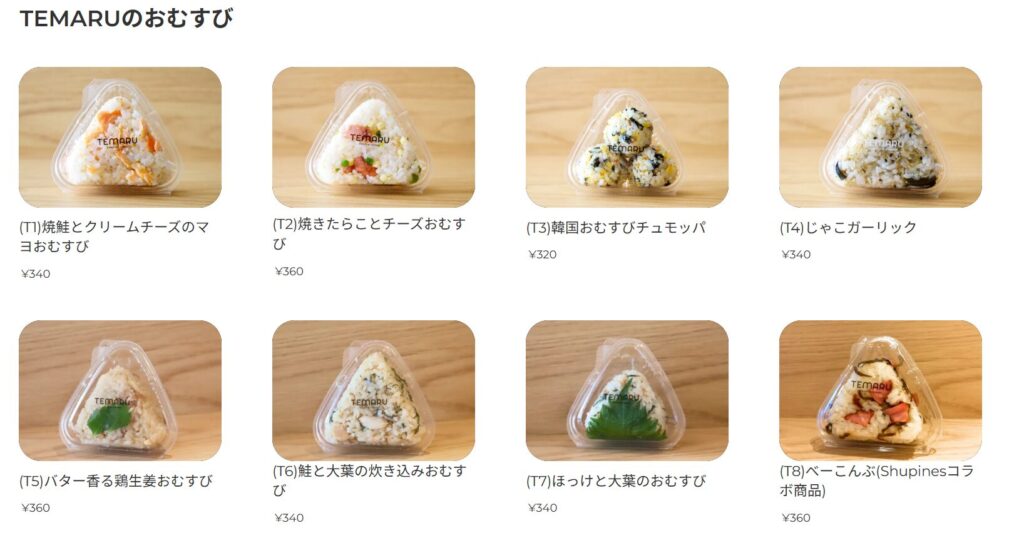
- Rice
- Salt
- Filling
And yet, it’s enough.
Eating an onigiri alone, quietly,
feels like more than just a light meal.
It’s familiar, grounding, and deeply Japanese.
Why Light Meals Are Chosen in Japan
In Japan:
- People spend a lot of time alone
- Working hours are long
- After meals, the day often continues
Because of this,
a culture developed that doesn’t demand heaviness or stimulation from food.
Personally, I feel that today’s Japan values
“ending the day without strain”
more than “eating big to push forward.”
Conclusion: Healthy Fast Food as Daily Infrastructure
None of the places introduced here are luxury restaurants.
Yet they quietly function as infrastructure for everyday life in Japan.
If you visit Japan and feel tired from sightseeing or movement,
try stepping into one of these places.
They won’t impress you loudly —
but they offer a glimpse into how Japanese people sustain daily life, gently and consistently.
Image Credit
All images used in this article are sourced from official websites and official social media accounts of each brand.