
A Complete Guide to Becoming a “Resident,” Not Just a Visitor
Many people who visit Japan come away with a similar impression:
a country that feels clean, safe, efficient, and filled with great food.
That impression isn’t wrong.
However, living in Japan — holding a visa, registering an address, paying taxes and health insurance — is a very different experience from traveling here.
In this article, I write from the perspective of a Japanese resident with overseas study experience, sharing what guidebooks and relocation agencies often leave out.
This is an honest look at what life in Japan is really like — both the good and the challenging.
1. Exceptional Safety and the “Invisible Rules” That Sustain It
Japan’s low crime rate is well known around the world.
But it isn’t simply the result of strong policing.
At its core is a shared sense of public responsibility that quietly shapes everyday life.
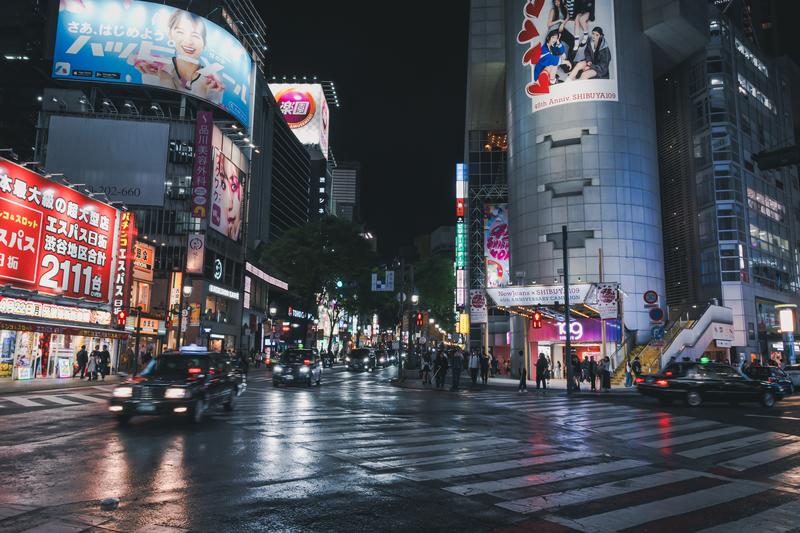
Why Women Can Walk Alone at Midnight
When I studied in the United States, going out late at night always came with a certain level of tension.
In Japan, trains still run after midnight, and it’s common to see women walking home alone while checking their phones.
This sense of everyday safety may seem small, but for many people who move to Japan, it becomes one of the greatest sources of peace of mind.
Trash Sorting as a Community Agreement
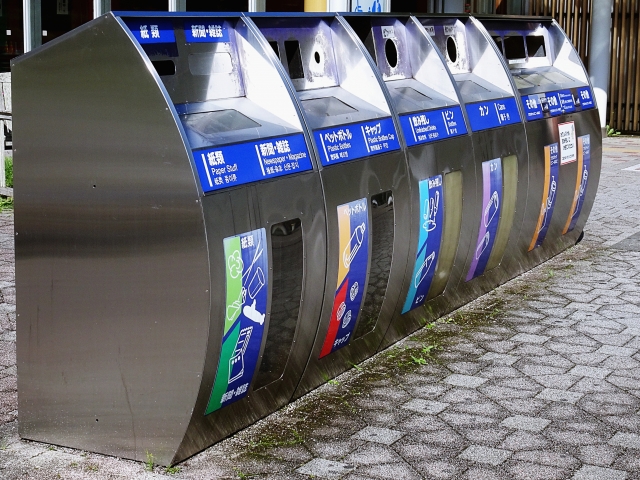
Japanese cities are clean not because someone is constantly cleaning them, but because most residents make an effort not to create mess in the first place.
One of the first challenges many newcomers face is trash separation.
- Burnable and non-burnable waste
- Plastics, paper, food waste
- In some areas, more than ten categories
- Strict collection days and morning deadlines
A Japanese Perspective
To be honest, when we see someone ignore these rules, it makes many of us feel a little sad.
Not angry — just disappointed.
That said, it’s rarely because someone doesn’t care.
More often, the rules are simply too complex and not clearly explained.
When newcomers try to learn and follow them, many Japanese people feel genuine appreciation. It shows respect for the community.
2. “Ohitorisama” Culture: Individual Freedom Inside a Collective Society
Japan is often described as a highly conformist society.
Yet when it comes to spending time alone, it is surprisingly one of the most accepting countries in the world.
The Luxury of Not Being Interrupted
For those exhausted by constant socializing, small talk, or expectations to always engage with others, Japan can feel like a quiet refuge.
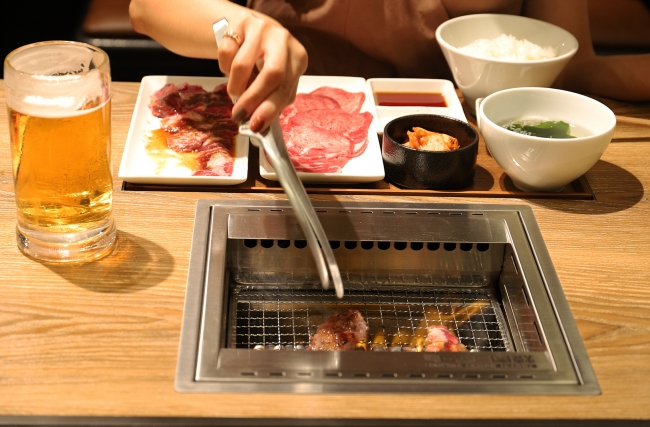
- Solo yakiniku restaurants
- One-person karaoke rooms
- Solo camping
Being alone is not treated as something sad or strange.
In urban areas especially, people enjoy a comfortable level of anonymity and personal space.
3. Are Japanese People Really Cold? Understanding the Emotional Distance
Many newcomers feel that Japanese people are polite but hard to get close to.
This distance, however, is rarely about dislike.
More often, it comes from shyness and self-consciousness.
The English Complex
Japan’s education system has long emphasized reading and writing over speaking.
As a result, many people feel insecure about their English.
What may look like avoidance is often closer to:
- “I’m embarrassed that I can’t speak well.”
- “I don’t want to cause trouble.”
- “I feel sorry that I can’t help properly.”
Trust Takes Time — But It Runs Deep
Relationships in Japan tend to develop slowly.
But once trust is built, they often become long-lasting and sincere.
Making small efforts in Japanese, without rushing the relationship, can lead to friendships that last a lifetime.
4. A High-Tech Country with an Analog Heart
Despite advanced technology, many people are surprised to find:
- Fax machines
- Paper documents
- Personal seals (hanko)
These are not signs of resistance to change.
They reflect a culture that places enormous importance on clear responsibility.
Who decided this?
Who approved it?
Multiple checks before a single decision may feel inefficient, but this mindset supports Japan’s remarkable reliability — from punctual trains to precise deliveries.

5. Cost of Living and Redefining “Wealth”
Because of the weak yen, Japan is sometimes described as “cheap.”
From a resident’s perspective, the reality is more nuanced.
Healthcare as a Safety Net
Japan’s universal healthcare system is one of its greatest strengths.
By paying monthly insurance contributions, residents can receive treatment without the fear of financial ruin.
The absence of constant anxiety about medical costs significantly improves quality of life.
Small Comforts on the Way Home
Convenience stores in Japan are exceptionally reliable.
Late at night, after a long day, you can step into a bright store and find quality food, desserts, and drinks.
These small, everyday comforts quietly support people through busy modern life.
6. The Resolution of the Seasons: Subtle Changes Over Time
In Japan, seasons are felt with surprising detail.
Beyond spring, summer, autumn, and winter, there is a long tradition of noticing smaller shifts in nature.
Because of this sensitivity, daily life changes gradually:
- Certain ingredients appear and disappear at supermarkets
- Convenience stores release limited seasonal items
- Restaurants gently adjust their menus
These changes don’t happen all at once.
But over time, you begin to notice that the world feels slightly different every couple of weeks.
Living in Japan teaches you to appreciate what is available now — because it won’t last forever.
Conclusion: Japan as a Place for Those Who Can Become Part of the System
Life in Japan is not easy mode.
There are language barriers, paperwork, and an unspoken expectation to read the atmosphere around you.
Yet for those willing to respect and adapt to these rules, Japan offers something rare: a calm, orderly, and deeply stable daily life.
The analog systems, the quiet people, the invisible rules — all exist to protect that peace.
The question is not whether Japan is perfect.
It is whether you want to live within this quiet harmony and refine your life inside it.